


The garbage incinerator, as a key piece of equipment for treating municipal solid waste and industrial waste, relies heavily on the performance of its internal refractory lining for stable operation and service life. Depending on the working environment and temperature requirements of different parts of the incinerator, two main categories of products are used: refractory bricks and unshaped refractories.
Refractory brick products primarily include three types: fireclay bricks, high-alumina bricks, and silicon carbide bricks. Fireclay bricks, with their good thermal shock resistance and wear resistance, are suitable for areas with frequent temperature fluctuations, such as the waste feed inlet (500-600°C) and the rotary section of rotary kiln incinerators. High-alumina bricks, with their refractoriness of 1750-1790°C, are the ideal choice for high-temperature zones (1000-1400°C) like the combustion chamber roof, side walls, and burner areas, effectively resisting slag adhesion and alkaline erosion. Silicon carbide bricks, known for their excellent wear resistance and refractoriness of 1710-1750°C, are widely used in severely abrasive areas such as the upper, middle, and lower parts of the grate side walls (1000-1200°C).
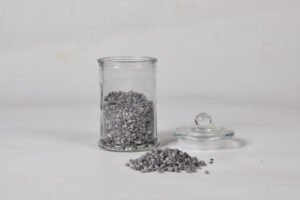
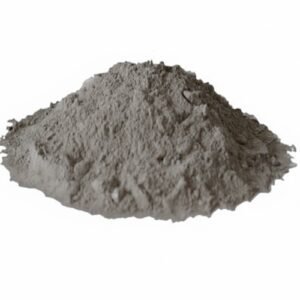
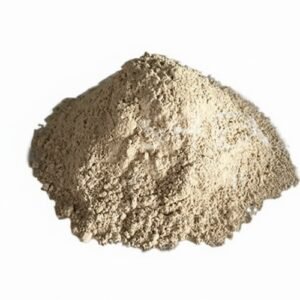
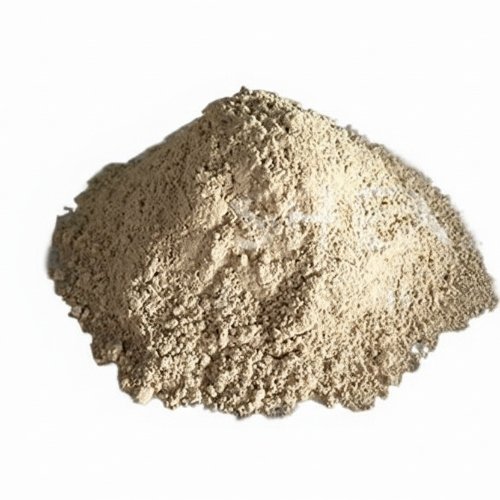
Unshaped refractory materials mainly include castables, plastics, and gunning mixes. Among them, low-cement high-alumina castables have become the mainstream material for the working lining in high-temperature zones up to 1650°C due to their good integrity and strong acid resistance. They are particularly suitable for areas like the lower side walls of the grate, which simultaneously endure chemical erosion and mechanical wear. Fireclay castables are mostly used in lower temperature areas (400-900°C), such as the residual ash outlet and secondary combustion chamber. In recent years, the usage proportion of phosphate-bonded high-alumina castables and silicon carbide castables has been continuously increasing due to their outstanding wear resistance.
For special applications, mullite bricks are required in vertical incinerators handling industrial waste liquids to cope with acidic environments. Dense corundum bricks are recommended for the fluidized bed section of fluidized bed incinerators to resist the scouring of high-temperature boiling sand. For structurally complex water-cooled wall sections, unshaped materials applied by gunning are commonly used, with a maximum spraying thickness reaching 400mm.
The selection of refractory materials for modern waste incinerators requires comprehensive consideration of six key performance indicators: high strength and wear resistance, volume stability, acid resistance, resistance to CO erosion, thermal shock resistance, and construction/workability. As incineration technology develops towards larger scales and resource recovery, the proportion of unshaped refractories has increased to over 75%. Their excellent integrity and gas tightness can effectively resist erosion from fly ash and slag. Coupled with scientific thermal stress design and regular maintenance, they ensure the long-term stable operation of incinerators in harsh environments.