


High-Alumina Castables
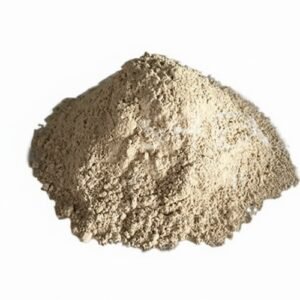
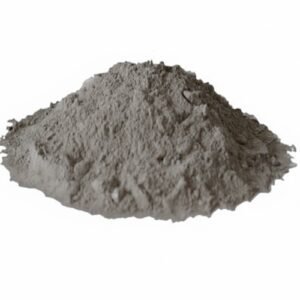
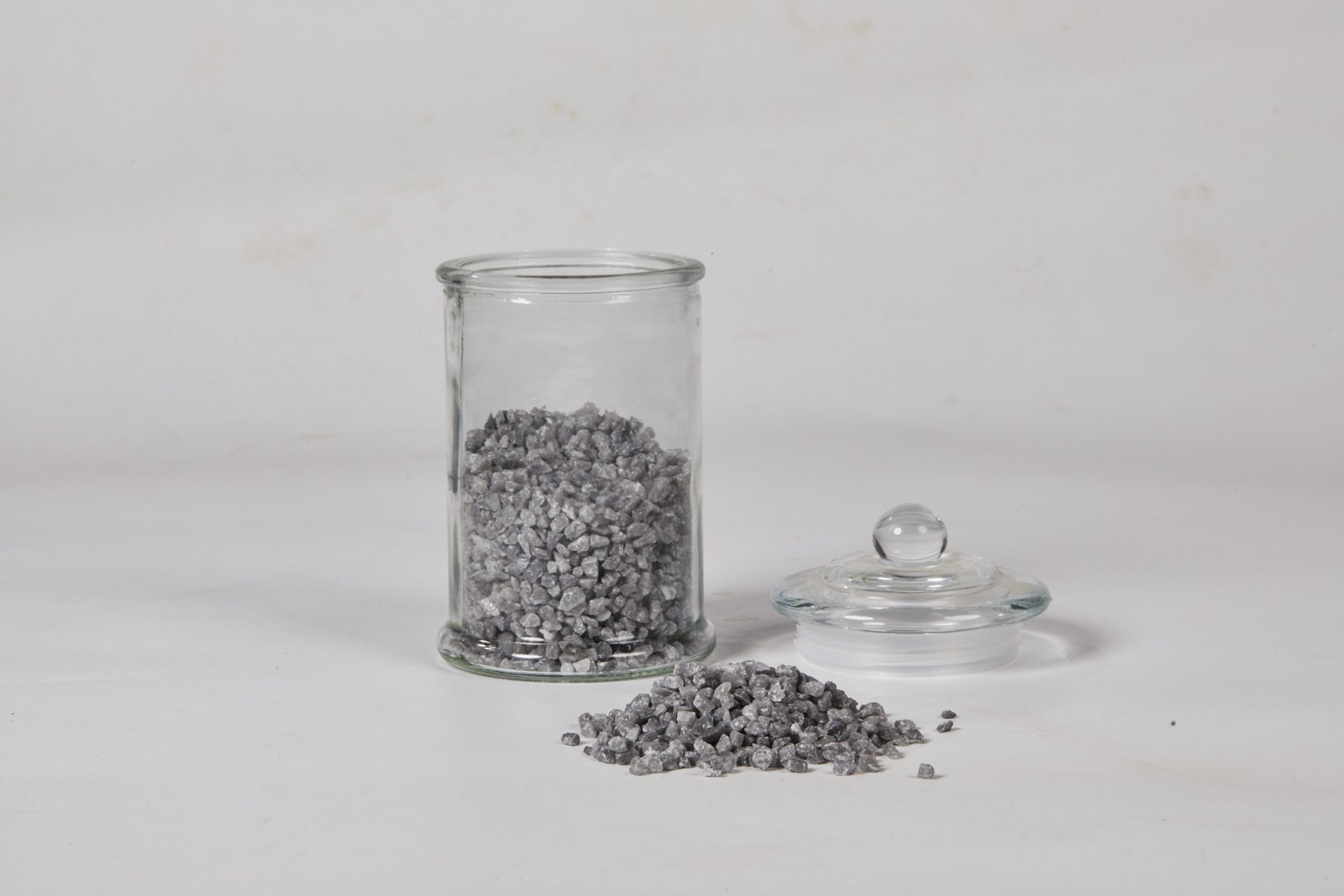
High-alumina castables are an important category of unshaped refractory materials. They are mainly formulated with high-alumina raw materials as the base aggregate, combined with binders and additives, and applied after mixing and casting. Endowed with a variety of excellent properties, they are widely used in high-temperature environments. The following is a detailed illustration from two aspects: Core Characteristics and Typical Applications.
I. Core Characteristics
- High RefractorinessThe main components of high-alumina castables include calcined high-alumina bauxite, corundum, mullite, and alumina powder, enabling them to withstand temperatures of approximately 1600–1700°C or even higher.
- High Density & Low PorosityThe finished products feature a dense structure and low porosity, which contributes to enhanced refractoriness and wear resistance.
- Excellent Mechanical StrengthThey can maintain good strength and structural integrity even under high-temperature conditions, especially high-strength high-alumina castables.
- Thermal Shock ResistanceWith a rational structure of aggregate and matrix, they exhibit superior resistance to thermal shock and mechanical impact.
- Corrosion & Slag ResistanceThey have favorable resistance to acids, alkalis, and chemical slags, making them suitable for service in severe chemical environments.
- Low Cement or Low Calcium ContentLow cement content reduces the calcium oxide concentration, thereby minimizing the formation of low-melting-point phases and improving refractoriness and high-temperature strength.
- Favorable ConstructabilityProcessed through wet mixing, casting, and vibration compaction, they allow convenient and flexible construction and can adapt to complex-shaped structures.
- Adjustable Price-Performance RatioHigher alumina content, more sufficient aggregate calcination, and greater bulk density lead to better performance, with a corresponding increase in price.
II. Typical Application Scenarios
The following are the practical application parts and service scenarios of high-alumina castables across various industries:
- Metallurgical Industry
- Linings of steel converters, electric arc furnaces, and continuous casting machines
- High-temperature, high-pressure, and corrosive zones such as steel tapping runners, molten steel refining equipment, and furnace mouths
- Power & Boiler Systems
- Linings of high-temperature boilers and burner areas in thermal power plants, protecting components from flame and high-temperature erosion
- Building Materials Industry (Especially Cement & Glass Kilns)
- Rotary kilns, preheaters, burners, and kiln linings, which are required to withstand long-term exposure to high temperatures, slagging gases, and mechanical abrasion
- Industrial Furnaces & Heat Treatment Systems
- Linings of heating furnaces, soaking pits, heat treatment furnaces, and reactors, where high refractoriness, wear resistance, and thermal shock resistance are demanded
- Petrochemical & Chemical Industry
- Linings of cracking reactors and high-temperature components of petrochemical equipment, which need to resist chemical corrosion and high-temperature abrasion
III. Notes
- Mix Proportion & ConstructionStrictly control water dosage and mixing time to ensure the fluidity and strength of the castables.
- Curing & BakingProper curing and programmed baking after construction are necessary to prevent spalling.
- Selection of Suitable GradesChoose the appropriate type of high-alumina castables based on service temperature and operating environment (e.g., with an Al₂O₃ content ranging from 50% to 80%).
With their high service temperature, dense structure, excellent strength, durability, and flexible construction methods, high-alumina castables play an indispensable role in high-temperature and complex environments, serving as a core material essential for industrial production.