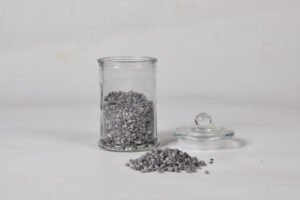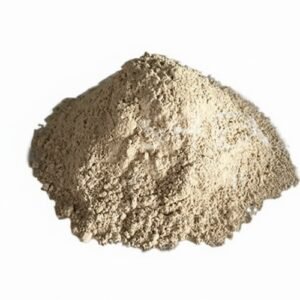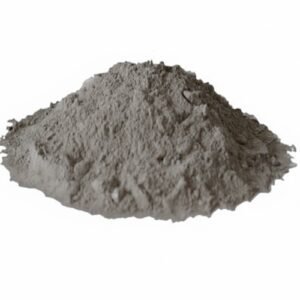


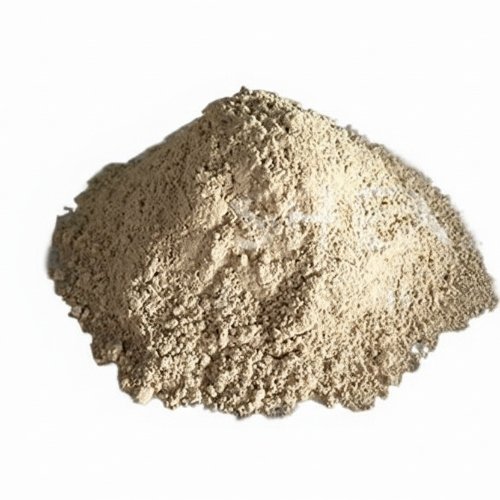

When constructing circulating fluidized bed (CFB) boilers with refractory castables, curing work is performed after the castables are poured. The general curing time is 48 hours. After the castables are fully hardened, demolding is carried out before they are put into use. Corundum castables are generally selected for use on the fire-facing surfaces or high-wear-resistant parts of CFB boilers. When corundum castables are poured and applied, they also require prior pouring and curing. How should the demolding time of corundum castables be controlled?
When corundum castables are being cast and formed, first of all, the working surface needs to be thoroughly cleaned, then the formwork should be erected. Pour the mixed corundum castables into the formwork for fixed forming. After forming, the surface of the castables should be leveled first to make the surface smooth. The castables after forming must not come into contact with water again to avoid dry cracks on the green body surface;
It should be noted that there will be excess mortar at the edges of the formed corundum castables, so it is necessary to clean them thoroughly to prevent uneven edges of the green body after demolding, which may affect the appearance quality or cause excessive dimensional deviation
The formed corundum castables should be placed together with the formwork in a place with a suitable temperature, avoiding places with excessively high or too cold temperatures
During the storage process, if the weather is excessively dry, the surface of the formed corundum castable green body can be covered with damp sacks to avoid quality degradation of the green body caused by rapid moisture evaporation inside it
In cold weather, heating facilities should be added to ensure the indoor temperature, which must not be lower than 6℃. Production should be stopped when the temperature is below this threshold.
The following points need to be noted when demolding corundum castables:
- The hardening time of the corundum castable green body shall not be less than 8 hours, and appropriate adjustments shall be made according to the weather conditions. After demolding, the corundum castables should be placed in a place with a suitable temperature for natural curing. The general curing time is 48 hours, while for larger-scale corundum castables, the curing time shall be determined according to the actual situation.
2. During demolding, first use a leather hammer to tap and separate the formwork from the green body, then loosen the formwork and take out the green body. If any areas needing repair are found after demolding, they should be promptly repaired with the same material.
3. Once the green body is found to be twisted or deformed after demolding, the formwork must be corrected in a timely manner to avoid affecting its service effect.